




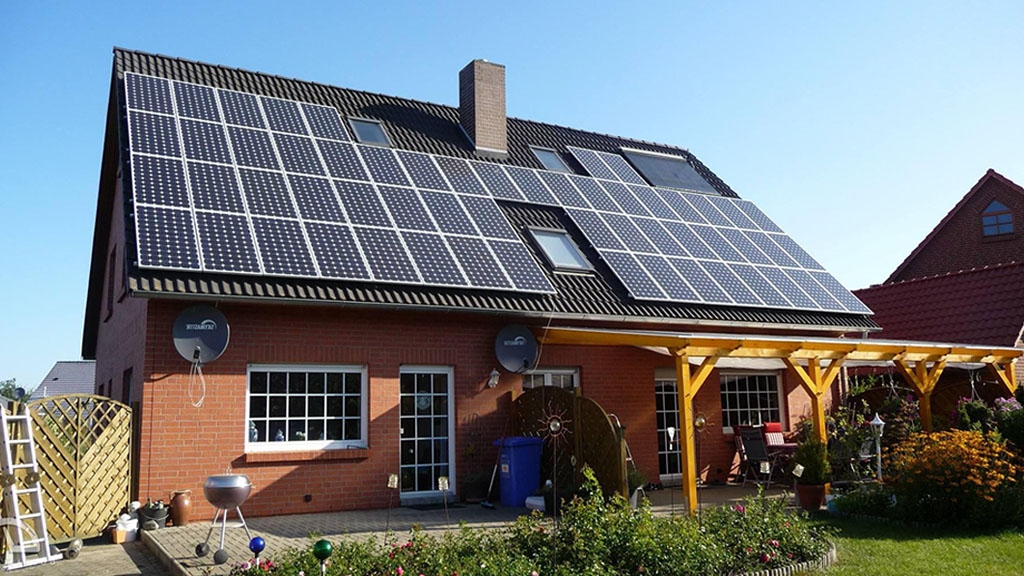
In a bid to promote renewable energy adoption, Malaysia’s Ministry of Energy and Natural Resources has launched the People’s Solar Incentive Scheme (SolaRIS). This initiative aims to encourage residential solar installations nationwide, empowering Malaysian citizens to embrace sustainable energy solutions.
Dans le cadre de SolaRIS, les Malaisiens éligibles, y compris les titulaires de comptes auprès de Tenaga Nasional Berhad (TNB) et les nouveaux candidats au projet Net Energy Metering (NEM), peuvent recevoir des subventions en espèces allant de 1 000 RM à 4 000 RM par kilowatt de courant alternatif (kWAC). Ces subventions aident à compenser les coûts initiaux d’installation solaire et à accroître l’accessibilité aux énergies renouvelables pour les propriétaires.
SolaRIS plays a crucial role in advancing Malaysia’s renewable energy goals, targeting a 70% renewable energy generation capacity by 2050. The initiative supports the country’s commitment to reducing carbon emissions and promoting sustainability in the energy sector.
The application period for SolaRIS subsidies opened on April 1, 2024, and will run until December 31, 2024, or until the allocated 350MW subsidy quota is reached. Applicants must have operational solar systems by March 31, 2025, and meet PETRA’s eligibility criteria.
Deputy Prime Minister Datuk Seri Fadillah Yusof, PETRA’s Chairperson, stresses the significance of SolaRIS in steering Malaysia’s energy transition and achieving carbon neutrality. The initiative underscores the government’s dedication to sustainable development, paving the way for a greener, more resilient energy future.
Apart from SolaRIS, Malaysia is progressing on legislation concerning the feed-in tariffs for renewable energy. The country’s comprehensive renewable energy strategy aims to promote investments and innovations, positioning Malaysia as a leader in sustainable development.
Alors que la Malaisie progresse dans son programme d’énergies renouvelables, le programme SolaRIS constitue une initiative fondamentale pour promouvoir l’adoption de l’énergie solaire auprès des consommateurs résidentiels ; favoriser le développement énergétique durable ; et favoriser un avenir plus vert pour la nation.