


Hey there, solar power pioneers! Are you curious about the different types of solar panels and how they can brighten up your home with clean, renewable energy? Let’s chat about monocrystalline, polycrystalline, and thin-film solar panels in a way that’s as clear as a sunny sky. We’ll keep it friendly, natural, and easy to understand!

Paneles solares monocristalinos: los campeones de la eficiencia
Imagine a solar panel so efficient it’s like having a little sun on your roof. That’s the monocrystalline solar panel for you!
Los grandes triunfadores de la tecnología solar
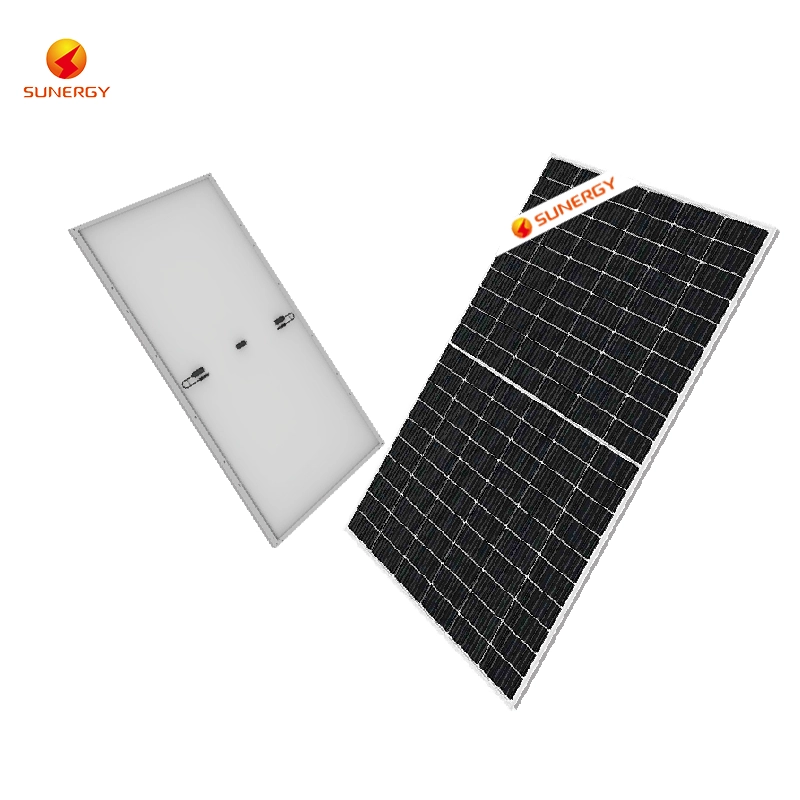
– Made from a single, continuous crystal of silicon, these panels are the result of a high-purity process that translates to higher efficiency rates, usually between 15% and 20%.
Aspecto y rendimiento
– They have a uniform, deep black appearance that gives them a premium look. Plus, their high efficiency means you need fewer panels to generate the same amount of power.
Consideración de costos
– Tend to be a bit pricier, but their efficiency can lead to a quicker return on investment over time.
Paneles solares policristalinos: las estrellas del valor
Para aquellos que buscan un equilibrio entre costo y rendimiento, ¡los paneles solares policristalinos son el camino a seguir!
Los jugadores del equipo
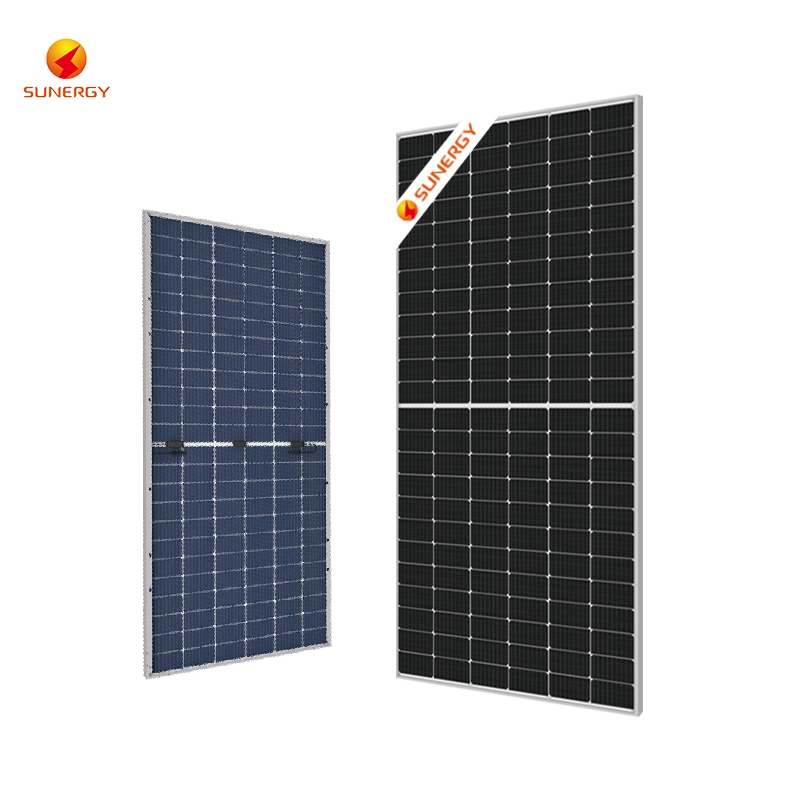
– Constructed from multiple silicon crystals, these panels are a bit less efficient than monocrystalline ones, with efficiency rates typically between 13% and 16%.
Asequibilidad más durabilidad
– They’re more budget-friendly and don’t skimp on durability. You get a strong performance at a lower upfront cost.
Estética y espacio
– They have a blue hue due to the presence of impurities and require slightly more space to produce the same amount of power as monocrystalline panels.
Paneles solares de película delgada: los advenedizos versátiles
If you’re after something a bit out of the ordinary, thin-film solar panels are the rebels with a cause in the solar panel world.
Innovador y adaptable
– These use a thin layer of photovoltaic material and can be deposited on various substrates, making them highly adaptable and even flexible.
Eficiencia y costo
– While their efficiency is generally lower (around 10% to 12%), thin-film panels can offer a more affordable option, especially for large-scale projects or unique applications.
Diseño e instalación
– They can be integrated into building materials, allowing for creative installation solutions and even color customization.
Decodificando la decisión de su panel solar
A la hora de elegir los paneles solares adecuados para tu hogar, piensa en estos factores:
– Energy Output Needs: ¿Cuánta energía quieres generar?
– Available Space: ¿Cuánto espacio en el techo o en el suelo puedes dedicar a los paneles solares?
– Budget: What’s your budget, and how does it align with the cost and efficiency of the panels?
– Aesthetic Preferences: What look are you going for, and how do the panels fit into your home’s design?
Terminando
Whether you’re drawn to the high efficiency of monocrystalline, the solid value of polycrystalline, or the innovative flexibility of thin-film, each type of panel solar tiene sus propios beneficios únicos. La clave es encontrar el que se adapte a su hogar, sus necesidades y su visión de un futuro sostenible.
So, as you embark on your solar journey, remember that the sun’s energy is waiting to be harnessed, and the right solar panels can make all the difference. Here’s to a brighter, cleaner, and more efficient home powered by the sun!